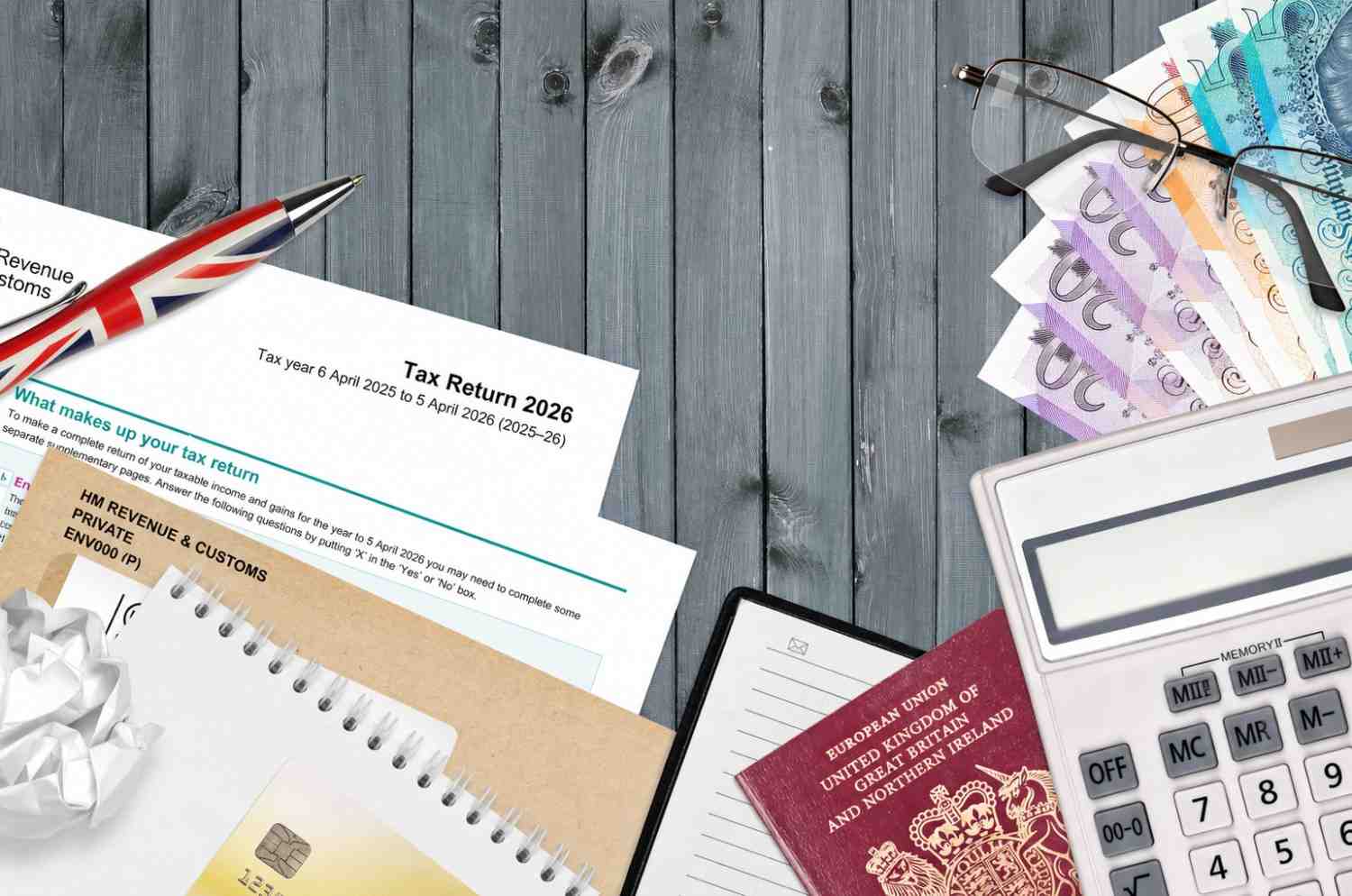
What Is Tax Planning?
Tax planning is a proactive and legal process. It involves reviewing your entire financial picture and arranging it to reduce your tax liability. By managing income, expenses, investments, and assets smartly, you take full advantage of reliefs and allowances. The aim is to minimise your tax bill while aligning with your financial goals.
It’s essential for both individuals and businesses. When executed properly, tax planning supports long-term saving, growth, and wealth. It also brings clarity and prevent tax related mistakes that could cost you in the future.
Understanding Tax Planning
Tax planning means using smart, lawful methods to reduce taxes. Unlike tax filing, which looks backward, tax planning is forward-focused. It ensures that action taken today will save money tomorrow.
This includes changing when you receive income, making pension contributions, and using tax-friendly accounts. It is an ongoing process that helps you stay in control and build a stronger financial foundation over time.
Tax Planning vs Tax Avoidance vs Tax Evasion
These three ideas are often mixed up, but they’re not the same:
- Tax planning follows legal tax rules to reduce bills.
- Tax avoidance bends rules to lower taxes, often drawing scrutiny.
- Tax evasion is illegal and involves hiding income or lying to authorities.
Good tax planning always follows the law. It uses rules that are already in place, helping people and companies make the most of their earnings. Unlike avoidance and evasion, it carries no risk of penalties.
Avoidance can be challenged, and evasion is a criminal offence. Legal planning, however, provides benefits without legal danger.
Why Tax Planning Matters
Taxes affect nearly every part of your money. Whether saving for retirement, buying a house, investing, or passing on assets, tax planning makes each goal easier to reach.
It helps avoid an unexpected tax bill. With proper planning, your financial setup works with the tax system, not against it. That saves time, stress, and money.
Without a plan, many people pay more than needed. Missed deductions and late filing cost more than people realise. A clear tax plan keeps your finances healthy.
Key Principles of Tax Planning
Use of Allowances and Reliefs
Governments offer many allowances. These include income tax thresholds, marriage reliefs, and capital gains exemptions. Using these wisely each year can save thousands.
A tax plan ensures you don’t miss them. It can include shifting income to a spouse or selling investments in phases to use the yearly allowance.
Timing Income and Expenses
Sometimes, you can delay income or bring forward costs. For example, deferring a bonus or paying for services early helps you control which tax year income appears in.
This can lower your overall tax rate, especially if your income changes yearly. It’s simple, yet powerful.
Structuring Investments Wisely
Accounts like a pension and an ISA let money grow tax-free or tax-deferred. Pension reduces current income and boosts retirement fund. ISA shelter gains from tax entirely.
Choosing the right account affects your taxes both now and later. A plan helps you balance short term saving and long-term growth.
Matching Goals with Tax Planning
Your financial goal guides your tax plan. If you want to retire early or grow a business, your tax strategy should support that.
By planning arounda major milestone, you make better choices. You can save, invest, and gift money in ways that align with your goals.
Tax Planning Strategies for Individuals
Pension Contributions
Contributing to pensions lowers your taxable income. For higher earners, this is especially valuable. The government also adds a bonus to each contribution.
This boosts retirement savings and reduces today’s tax bill. Over time, that makes a big impact.
ISAs and Tax-Free Savings
Individual Savings Accounts (ISAs) allow tax-free growth. You can save or invest up to a yearly limit. There’s no income or capital gains tax on returns.
They’re flexible, easy to manage, and perfect for long-term savings. Some also offer bonuses for specific goals, like buying a home.
Deductible Expenses
If you’re self-employed, many costs are tax-deductible. These include office costs, travel, and tools. Claiming these correctly cuts your tax bill.
Even employees can claim certain work expenses. Good recordkeeping ensures you don’t miss out.
Managing Capital Gains
Selling assets like shares or property can create gains. You can reduce tax by spreading sales or using losses to offset gains. Spouses can also share gains to use both allowances.
Planning sales carefully keeps your tax low and avoids surprises.
Gift and Estate Planning
You can give money or assets during your life to reduce future inheritance tax. Annual gift limits and other rules allow tax-free giving.
Trusts and lifetime gifts help pass on wealth efficiently. Planning early gives more control.
Tax Planning Strategies for Businesses
Corporation Tax Planning
Business owners can decide how they take income. Salary, dividends, and retained profits each have different tax effects. The right mix reduces overall taxes.
Timing also matters. Buying new equipment or investing in training at the right time can lead to deductions.
Capital Allowances
When you buy business tools or vehicles, you can claim some or all of the cost. These deductions reduce taxable profits.
Planning asset purchases across tax years maximises these benefits. It also supports business growth.
R&D Tax Credits
Companies that innovate may get tax credits. These apply to new products, improved systems, or technical research.
The credits reduce taxes or offer a cash refund. They are especially useful for startups and tech firms.
VAT Management
Planning around VAT is vital. Choosing the right scheme, tracking expenses, and understanding thresholds can improve cash flow.
It also avoids mistakes that may lead to penalties. Regular VAT reviews keep everything on track.
When Should You Start Tax Planning?
The best time is now. Start early in the tax year for more options. But even mid-year planning helps.
Any major life change, such as marriage, starting a job, or buying property, is a good reason to review your plan. Tax rules change often, so checking in regularly makes sense.
Ongoing review keeps your tax plan working. This way, you avoid surprise and make the most of new opportunities.
When to Get Professional Help
If your finances are simple, you might manage alone. But with property, business income, or foreign investments, expert help is smart.
Advisors know tax rules and can spot opportunities you might miss. They also help avoid errors that cause fines.
Even a one-time consultation can improve your setup. For complex cases, a long-term advisor makes sense.
Final Thoughts
Tax planning is more than just saving money. It is related to structure, strategy, and security. A well-planned setup supports your goal, lowers stress, and keeps you ready for change.
Whether you earn a little or a lot, the right plan makes a big difference. Start early, review often, and seek help when needed.
Smart tax planning today with Hussain Associates, which builds financial strength for tomorrow.